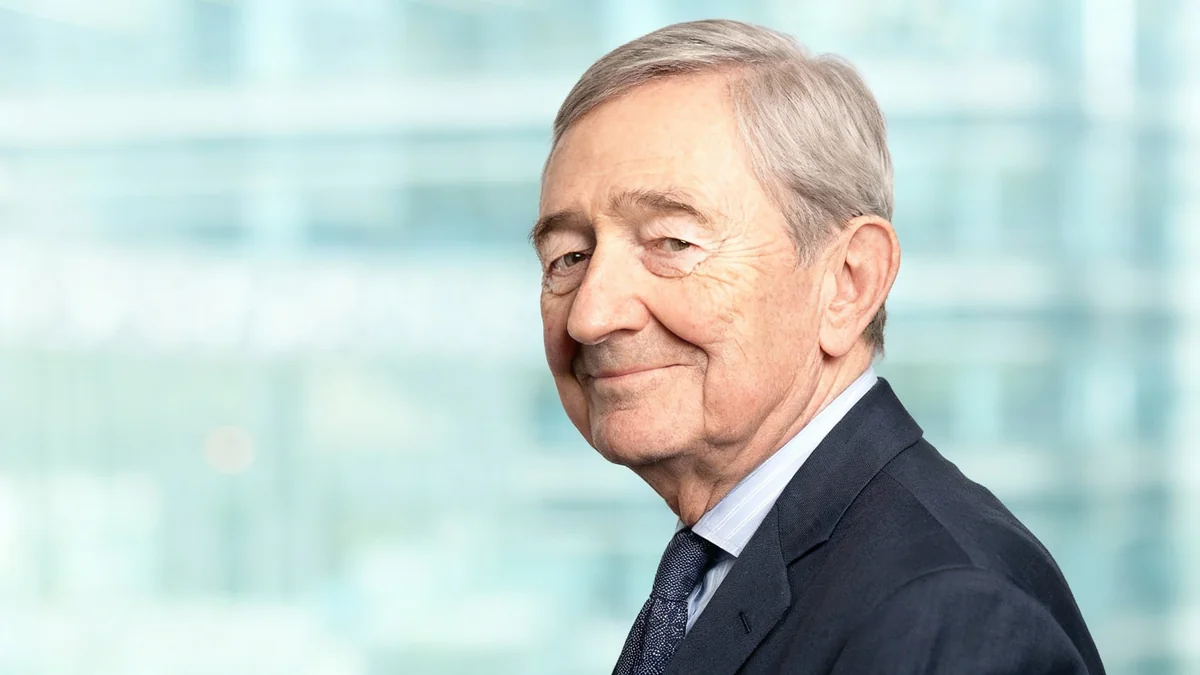

HSBC Holdings Plc has named Brendan Nelson as its next chairman, concluding a search by selecting an internal candidate to succeed Mark Tucker. The appointment, announced on Wednesday, positions the 76-year-old Nelson to steer Europe's largest bank through its next phase of strategic development.
Nelson, who joined the HSBC board in September 2023, had been serving as the interim group chair since October 1. The decision follows a comprehensive selection process that evaluated both internal and external candidates for the top role at the London-headquartered financial institution.
Key Takeaways
- Brendan Nelson, 76, has been appointed the new permanent chairman of HSBC Holdings Plc.
- Nelson is an insider, having joined the bank's board in September 2023 and serving as interim chair since October 1.
- The appointment follows the departure of Mark Tucker, who led the bank for a significant part of the last decade.
- The selection process considered both internal and external candidates for the leadership position.
A Strategic Choice for Continuity
HSBC's decision to promote an insider to the chairman role suggests a preference for continuity and stability. By selecting Brendan Nelson, the board signals confidence in the current strategic direction of the bank, particularly its well-publicized "pivot to Asia." Nelson's recent experience on the board, including his time as interim chair, provides him with immediate familiarity with the bank's operations, challenges, and executive team.
The appointment comes after a formal review process. The bank confirmed in a statement that the search was thorough, stating it encompassed a range of potential successors. Choosing an internal candidate often helps maintain momentum and avoids the potential disruption that can accompany an external hire who may bring a different vision or leadership style.
The Role of a Bank Chairman
The chairman of a major global bank like HSBC is responsible for leading the board of directors, overseeing corporate governance, and setting the long-term strategic agenda. The role is distinct from the Chief Executive Officer (CEO), who manages daily operations. The chairman acts as a crucial link between the board and the executive management team, ensuring the bank operates in the best interests of its shareholders.
The Legacy of Mark Tucker
Brendan Nelson steps into the role vacated by Mark Tucker, a prominent figure in the financial world who led HSBC through a period of significant transformation. During Tucker's tenure, which spanned much of the last decade, the bank navigated complex geopolitical tensions, economic volatility, and increasing pressure from major shareholders.
Under Tucker's leadership, HSBC intensified its focus on its most profitable markets in Asia, particularly Hong Kong and mainland China. This strategy involved divesting from less profitable operations in North America and Europe, including the sale of its French retail banking unit. Tucker's era was defined by a disciplined approach to cost control and a strategic realignment aimed at capitalizing on Asia's economic growth.
A Decade of Change: Mark Tucker's chairmanship saw HSBC navigate major global events, including Brexit, US-China trade tensions, and the economic fallout from the global pandemic, all while steering the bank's strategic shift toward Asian markets.
However, this period was not without its challenges. The bank faced calls from its largest shareholder, Chinese insurer Ping An, to spin off its Asian business to unlock greater value. Tucker and the board successfully resisted this pressure, arguing that the bank's global network provided unique advantages. Nelson will now inherit the responsibility of continuing to justify this integrated global model.
Who is Brendan Nelson?
At 76, Brendan Nelson brings a wealth of experience to the chairman's office. His relatively recent arrival on the HSBC board in September 2023 was followed by a swift ascent to the interim leadership position just a month later, indicating he quickly gained the board's trust.
His background provides him with the necessary perspective to oversee a complex global financial institution. While his tenure on the board has been short, his role as interim chair has given him a crash course in the immediate priorities facing HSBC. This hands-on experience was likely a key factor in the board's final decision.
"The decision follows a process that considered both internal and external candidates," the bank noted in its official announcement, emphasizing the comprehensive nature of the search that ultimately led to Nelson's appointment.
Challenges on the Horizon for the New Chair
Nelson takes the helm at a critical juncture for HSBC. While the bank's pivot to Asia has yielded strong profits, it also exposes it to significant geopolitical risk. Navigating the delicate relationship between Beijing and Western governments will remain a primary challenge for the bank's leadership.
Key priorities for the new chairman will likely include:
- Geopolitical Management: Balancing the bank's significant presence in China with its British domicile and extensive operations in the West.
- Shareholder Relations: Continuing to address calls for structural change from influential investors and demonstrating the value of HSBC's global footprint.
- Economic Headwinds: Steering the bank through a global economic environment marked by inflation, high interest rates, and slowing growth in key markets.
- Digital Transformation: Overseeing continued investment in technology and fintech to compete with more agile competitors and meet evolving customer expectations.
The board's choice of an experienced insider suggests the belief that steady leadership is the best way to address these complex issues. Nelson's primary task will be to build on the strategic foundation laid by his predecessor while adapting to a rapidly changing global landscape. The financial world will be watching closely to see how his leadership shapes the future of one of the world's most important banks.