
The cryptocurrency market experienced a significant downturn on Wednesday, with Bitcoin falling below $91,000 and Ethereum dropping towards the $3,100 mark. The sell-off was widespread, impacting nearly all major digital assets as investors processed a key interest rate decision from the Federal Reserve and absorbed a string of concerning regulatory developments in the United States.
Major altcoins recorded substantial losses, with some tokens seeing declines of over 8% in the past 24 hours. This broad-based price correction highlights growing investor anxiety over macroeconomic policy and the increasing scrutiny faced by the digital asset industry from lawmakers and government agencies.
Key Takeaways
- The total cryptocurrency market capitalization fell as Bitcoin dropped 2.65% and Ethereum declined by 3.85%.
- The Federal Reserve's decision to cut its benchmark interest rate by 0.25% failed to boost market sentiment.
- Significant regulatory actions, including a hefty penalty for Paxful and a proposed ban on a U.S. central bank digital currency (CBDC), are creating uncertainty.
- Institutional opposition to crypto is also growing, exemplified by a major teachers' union urging the Senate to scrap a proposed market structure bill.
Widespread Market Correction Hits Major Assets
Digital asset prices were a sea of red on Wednesday, with leading cryptocurrencies bearing the brunt of the negative sentiment. Bitcoin (BTC) was trading at approximately $90,170, marking a 2.65% decrease over the day. Ethereum (ETH), the second-largest cryptocurrency, saw an even steeper decline of 3.85%, with its price hovering around $3,196.
The downturn was not limited to the top two assets. A broad sell-off swept through the altcoin market, indicating a risk-off mood among traders. Several prominent projects experienced significant drops:
- Cardano (ADA): Tumbled by 8.42% to a price of $0.42.
- Avalanche (AVAX): Dropped 8.35%, trading at $13.36.
- Dogecoin (DOGE): Fell by 5.67% to $0.137.
- Solana (SOL): Declined by 5.49%, with its price at $130.93.
These movements erased billions of dollars from the total crypto market capitalization, reflecting a fragile investor confidence in the face of multiple headwinds.
Federal Reserve Rate Cut Fails to Inspire Confidence
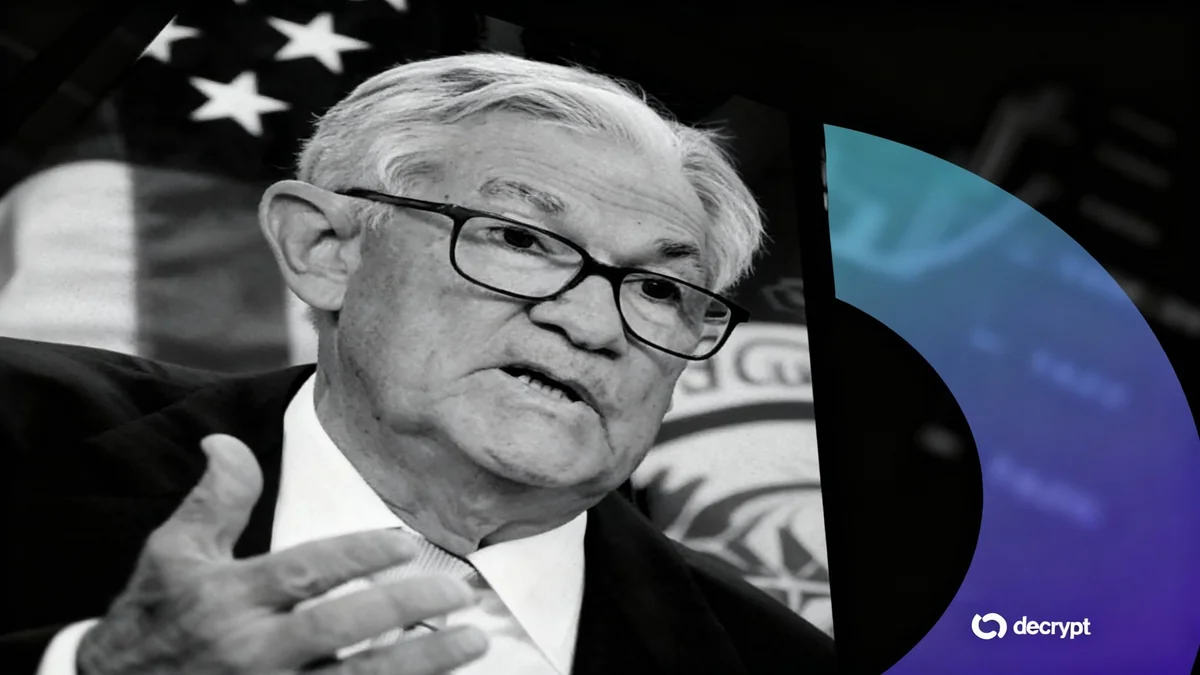
A primary catalyst for the market's volatility was the latest announcement from the U.S. Federal Reserve. The central bank lowered its benchmark interest rate by 0.25%, a move typically intended to stimulate economic activity. However, the crypto markets reacted negatively, suggesting investors were hoping for a more decisive signal from the Fed.
Understanding the Fed's Impact
Cryptocurrencies, like other risk assets such as tech stocks, often perform well in low-interest-rate environments. Lower rates can make traditional savings less attractive, pushing investors toward higher-yield, higher-risk assets. A rate cut is generally seen as positive, but the market's muted or negative reaction can signal that the cut was already priced in or that underlying economic concerns remain.
Complicating the matter, the Federal Open Markets Committee (FOMC) decision was not unanimous. Two members voted to hold rates steady, while another advocated for a more aggressive 0.50% cut. This internal division may have contributed to market uncertainty, as it clouds the future path of monetary policy. The Fed also confirmed it would continue purchasing Treasury bills, but this did little to assuage the immediate concerns of crypto investors.
Regulatory Pressures Mount from Multiple Fronts
Beyond the macroeconomic picture, a series of regulatory and legal developments in the U.S. have added significant pressure to the digital asset sector. These actions signal a tightening environment for crypto companies operating in the country.
Paxful Penalized for Compliance Failures
In a significant enforcement action, Paxful Holdings Inc., the company behind the now-defunct peer-to-peer Bitcoin exchange, has agreed to plead guilty to federal charges. The firm will pay a $4 million criminal penalty to the Department of Justice and an additional $3.5 million civil penalty to the Financial Crimes Enforcement Network (FinCEN).
A High-Volume Operation
Between 2017 and 2019, the Paxful platform facilitated approximately $3 billion in trades and generated over $29 million in revenue. Authorities stated the company knowingly failed to implement adequate anti-money laundering controls, allowing criminal activity to flourish on its platform.
This case serves as a stark warning to other exchanges about the severe consequences of non-compliance with U.S. financial regulations, particularly the Bank Secrecy Act.
Political Battle Over Digital Dollar Heats Up
The debate over a potential U.S. central bank digital currency (CBDC), or a "digital dollar," is also intensifying. Representative Keith Self (R-Texas) filed an amendment to the National Defense Authorization Act (NDAA) that would explicitly prohibit the creation of a U.S. CBDC.
"Promises were broken to include this language in the NDAA. My amendment would fix the bill," Self stated in a public announcement.
The move reflects a growing political divide over the concept of a government-issued digital currency, with opponents raising concerns about privacy and government overreach. The outcome of this legislative maneuver could have long-term implications for the entire digital asset ecosystem in the U.S.
Institutional Skepticism Remains a Hurdle
While some financial institutions are embracing crypto, significant opposition remains. The American Federation of Teachers (AFT), a major U.S. union, has publicly urged Senate leaders to reject the Responsible Financial Innovation Act, a key piece of proposed legislation aimed at creating a comprehensive regulatory framework for crypto.
In a letter, AFT President Randi Weingarten warned that the bill would expose the pensions of working families to "fraud, unsafe assets, and profound risks." He argued that the legislation would weaken existing investor protections and legitimize a volatile and poorly understood asset class.
This pushback from a large institutional group underscores the ongoing challenge the crypto industry faces in gaining mainstream acceptance and trust. The perception of risk, particularly concerning retirement funds, remains a major barrier to broader adoption and could influence future legislative efforts.