
Investors are preparing for a pivotal week as a series of crucial economic reports are set to be released. Key inflation and labor market data will provide fresh insights into the state of the U.S. economy, likely influencing the Federal Reserve's next policy moves and setting the tone for markets in the weeks ahead.
The upcoming data follows a period of notable market activity, including a significant rally in precious metals and growing uncertainty in the energy sector. All eyes will be on the new figures to either confirm or challenge the current market sentiment.
Key Takeaways
- U.S. markets are anticipating major inflation and labor reports that will heavily influence Federal Reserve policy decisions.
- Precious metals, including gold and silver, have seen significant price increases, with silver jumping over 3% on Monday.
- The energy market faces dual pressures from uncertain global demand and tightening supply due to disruptions in Venezuela.
- Recent data suggests capital has been flowing out of the U.S. following Federal Reserve communications, adding another layer of complexity for investors.
Inflation and Employment in the Spotlight
The main event for investors this week will be the release of the latest inflation figures. These numbers are a critical indicator for the Federal Reserve, which has been navigating a delicate balance between curbing price pressures and sustaining economic growth. A higher-than-expected inflation reading could force the Fed to maintain its restrictive monetary policy for longer, potentially dampening market enthusiasm.
Conversely, a report showing that inflation is cooling could give the central bank more flexibility, possibly signaling that interest rate cuts are on the horizon. This outcome would likely be welcomed by equity markets, which have been sensitive to changes in monetary policy outlook.
Why This Data Matters
The Federal Reserve has a dual mandate: to achieve maximum employment and stable prices. The upcoming labor and inflation reports provide a direct assessment of how well it is meeting these goals. The data will be a primary driver of the Fed's projections and public statements, which in turn guide investor expectations for the entire economy.
Alongside inflation, the labor market report will be closely scrutinized. Data on job growth, unemployment rates, and wage gains will offer a comprehensive picture of economic health. A strong labor market is generally positive, but excessively rapid wage growth could be seen as an inflationary pressure, complicating the Fed's decision-making process.
Commodity Markets Show Diverging Trends
While equities await economic data, commodity markets are already experiencing significant volatility. Precious metals have been on a strong upward trajectory. Gold prices have rallied over 1%, with analysts eyeing a potential breakout to new highs. The momentum is even more pronounced in the silver market.
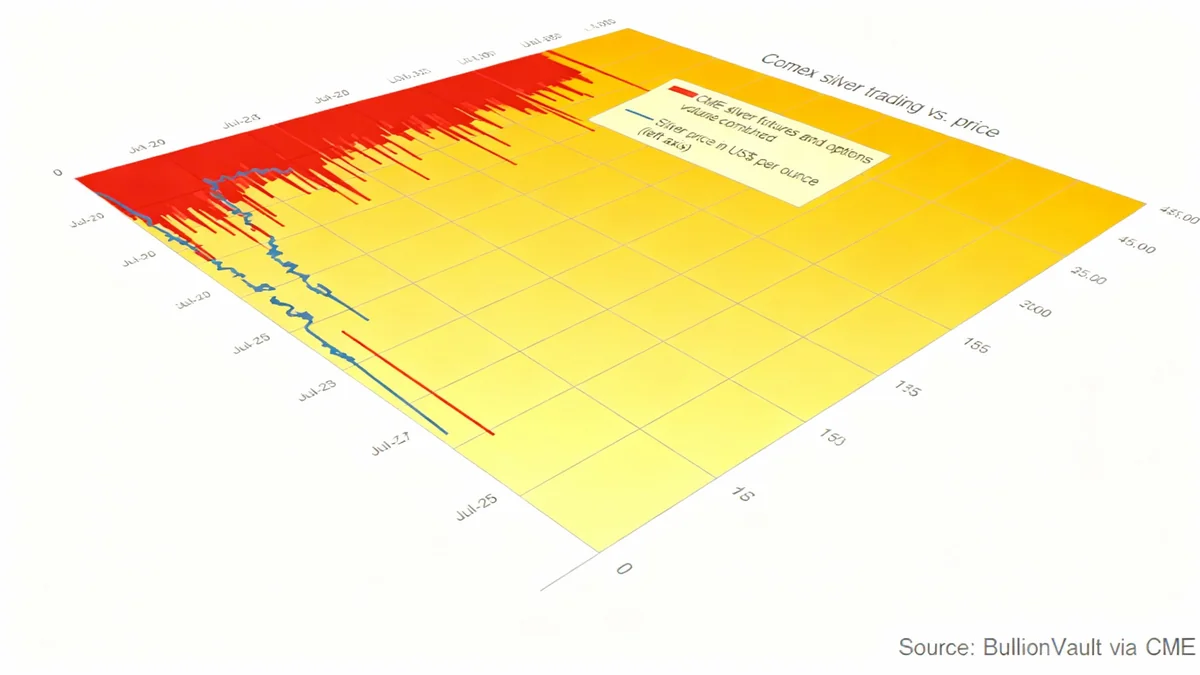
On Monday, silver prices surged by an impressive 3.24%. This sharp increase reflects growing investor interest in hard assets, often seen as a hedge against inflation and economic uncertainty. The move suggests that some market participants are positioning themselves for potential economic turbulence or a shift in monetary policy.
Oil Market Pressures
The global oil market is facing a complex set of challenges. While concerns about weakening global demand persist, supply-side issues are providing a floor for prices. Disruptions to oil production and exports from Venezuela have tightened the available supply, creating a tense balance in the market.
In contrast, the energy sector tells a different story. Both Brent and WTI crude oil benchmarks have recently seen declines of around 0.7% to 0.8%. This price action highlights a growing divergence in sentiment. While supply disruptions, particularly those related to Venezuela, are tightening the market, overarching concerns about the strength of global oil demand are creating significant headwinds for prices.
Global Capital Flows and Trade Concerns
Adding to the complex economic picture are shifts in international capital. Recent analysis indicates that capital has been flowing out of the United States following recent communications from the Federal Reserve. This trend can impact the U.S. dollar's strength and has implications for both domestic and international markets.
Capital outflows can signal that investors are seeking higher returns or safer havens in other regions, a sentiment that could be influenced by the perceived direction of U.S. monetary policy. If the upcoming economic data reinforces the idea of a less favorable environment in the U.S., this trend could continue.
"The movement of international capital is a critical barometer of investor confidence. A sustained outflow could signal underlying concerns about the U.S. economic outlook relative to the rest of the world."
Furthermore, geopolitical factors continue to loom over the markets. Discussions surrounding potential new trade tariffs and the fallout from previous trade wars are creating an undercurrent of uncertainty. The prospect of renewed trade tensions could disrupt supply chains, increase costs for businesses, and weigh on global economic growth, adding another variable for investors to consider as they navigate the week ahead.