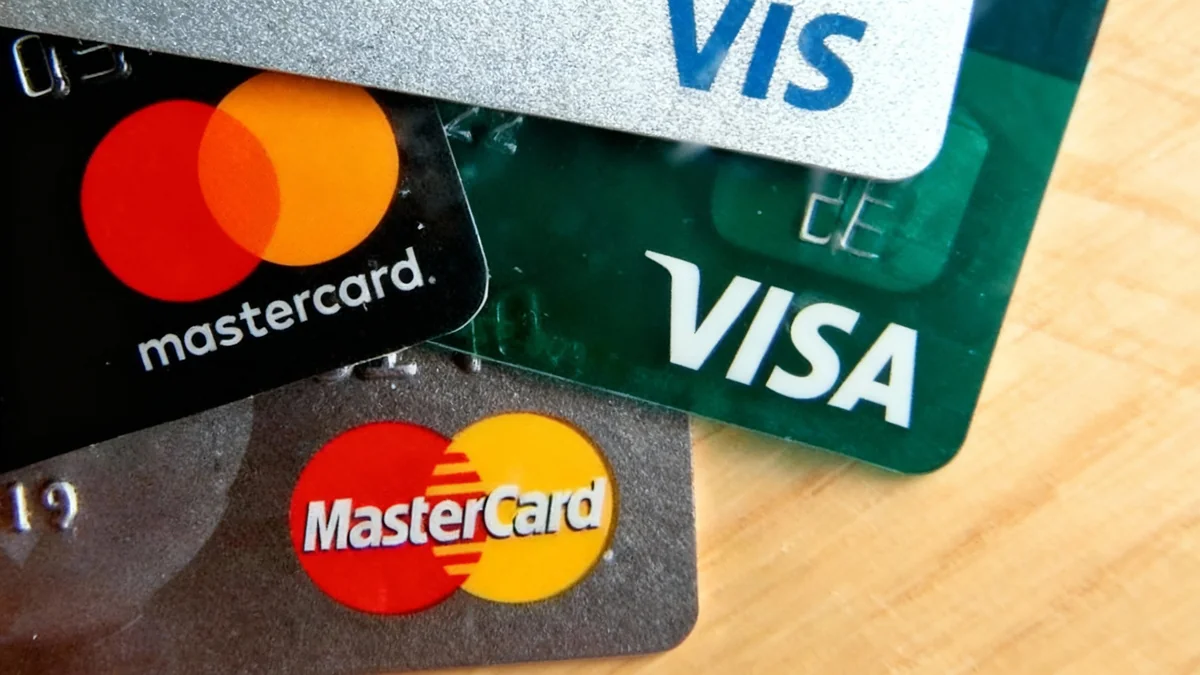

A proposed legal settlement between Visa, Mastercard, and a group of U.S. merchants could fundamentally change how you use your premium rewards credit card. The deal, which aims to end a nearly two-decade-long battle over transaction fees, may give retailers the power to decline high-fee credit cards at the point of sale.
This change targets popular rewards cards like the Chase Sapphire Reserve or Citi Strata Elite, which often carry higher processing costs for businesses. If the settlement is approved, shoppers who rely on these cards to earn points and miles could find their payment method rejected at certain stores.
Key Takeaways
- Visa and Mastercard have proposed a settlement in a 20-year dispute with merchants over credit card swipe fees.
- The deal would modify the "honor all cards" rule, allowing merchants to reject high-fee premium rewards cards.
- Retailers could also be permitted to add a surcharge for customers using these more expensive cards.
- The settlement includes a temporary reduction in swipe fees, but major retail groups argue it doesn't go far enough.
The Core of the Conflict: 'Honor All Cards' Rule
For years, a central pillar of the credit card system has been the "honor all cards" rule. This long-standing policy requires any merchant that accepts Visa or Mastercard to accept every type of card issued under those brands, regardless of the associated processing fees.
This has become a major point of contention for retailers as premium rewards cards have grown in popularity. These cards, such as a Visa Infinite or a World Elite Mastercard, are more expensive for merchants to process compared to standard, no-frills credit cards.
The Cost of Rewards
A premium card like a Visa Infinite can cost a merchant an additional 15 basis points, or 0.15%, in interchange fees compared to a mid-tier Visa Signature card. While it seems small, this difference adds up to billions of dollars annually for the retail industry.
The proposed settlement would dismantle this requirement. For the first time, a business could choose to accept basic Visa and Mastercard products while opting out of the more expensive premium versions. This gives merchants a new level of control over their payment processing costs.
What the Settlement Means for Consumers
The most immediate impact for shoppers will be uncertainty at the checkout counter. If the deal is finalized, your high-end travel or cash-back card might not work everywhere it does today.
Potential Scenarios for Shoppers
Consumers could face two new possibilities when they go to pay:
- Card Rejection: A store that has opted out of accepting premium cards could decline your transaction, forcing you to use a different card or payment method.
- Added Surcharges: Alternatively, a merchant might be allowed to pass the higher processing cost directly to you in the form of a surcharge on your bill specifically for using a rewards card.
This puts consumers, particularly those who have built their financial strategies around maximizing credit card rewards, in a difficult position. The value of earning points could be diminished if using the card incurs extra fees or if it's not accepted at their favorite stores.
Why Are Premium Cards More Expensive?
Interchange fees, often called "swipe fees," are paid by merchants to the card-issuing bank every time a customer makes a purchase. These fees cover the costs of processing the transaction, fraud prevention, and, crucially, funding the rewards programs (points, miles, cashback) that make premium cards attractive. The more generous the rewards, the higher the interchange fee tends to be.
A Contentious Deal: Merchants and Networks React
While Visa and Mastercard are ready to move past the 20-year legal battle, the merchant community is far from satisfied. Major retail lobby groups have come out strongly against the proposal, arguing it provides only minimal, temporary relief while failing to address the root problem of a lack of competition in the payments market.
The National Retail Federation, a prominent voice for merchants, was quick to criticize the settlement.
"Once again, this proposal is all window dressing and no substance. The reduction in swipe fees doesn’t begin to go far enough, and the change in the honor-all-cards rule would accomplish nothing. If the courts can’t fix this, it’s time for Congress to take action," said Stephanie Martz, chief administrative officer and general counsel for the organization.
Merchant groups have been lobbying Congress for years to regulate credit card interchange fees, similar to the regulations already in place for debit card fees. They believe this settlement is a tactic to avoid meaningful legislative reform.
On the other hand, the payment networks view the settlement as a fair resolution. A spokesperson for Mastercard stated that the company believes it is the "best resolution for all parties, delivering the clarity, flexibility and consumer protections that were sought."
Financial Terms of the Proposed Settlement
Beyond the changes to the "honor all cards" rule, the settlement includes specific financial terms aimed at providing some relief to merchants.
The agreement proposes a temporary reduction in swipe fees by 10 basis points (0.10%) for five years. Additionally, it would cap the rate for standard credit card transactions at 1.25% of the purchase price for eight years.
However, critics argue that these reductions are insufficient and short-lived, failing to create lasting change in a system they describe as broken. The settlement's future is uncertain, as a previous agreement was rejected by the presiding judge, and this new version faces significant opposition from the plaintiffs it is meant to appease.
It is important to note that this litigation and its proposed settlement only involve Visa and Mastercard. American Express, which operates a different "closed-loop" system where it is both the card issuer and the payment network, is not part of this case. The settlement also has no impact on the use of debit cards.