
Millions of American retirees will face a significant increase in their healthcare costs in 2026, as the monthly premium for Medicare Part B is set to rise above the $200 threshold for the first time. This substantial hike is expected to consume a large portion of the annual cost-of-living adjustment for Social Security recipients, placing further strain on household budgets.
The Centers for Medicare & Medicaid Services (CMS) has announced that the standard Part B premium will increase by 9.7% to $202.90 per month. This represents a $17.90 jump from the current rate of $185 and marks the largest percentage increase since 2022.
Key Takeaways
- The standard Medicare Part B premium will increase to $202.90 per month in 2026, a 9.7% rise.
- The annual Part B deductible will also climb by nearly 10% to $283.
- This premium hike will absorb approximately one-third of the 2.8% Social Security cost-of-living adjustment (COLA).
- The increase is primarily driven by projected growth in national healthcare spending.
A Closer Look at the 2026 Increases
The adjustments for 2026 affect two key components of Medicare Part B, which provides coverage for doctor visits, outpatient care, and other medical services. The monthly premium, automatically deducted from Social Security benefits for most retirees, will see a significant jump.
In addition to the premium, seniors will also face a higher out-of-pocket threshold before their insurance coverage begins. The annual Part B deductible is scheduled to increase from $257 to $283 in 2026, a rise of about 10%.
These rate adjustments are determined by a formula established under the Social Security Act. Officials point to broad trends in the healthcare industry as the primary driver for the higher costs that will be passed on to beneficiaries.
What is Medicare Part B?
Medicare Part B is a core component of the federal health insurance program for individuals aged 65 and older. It covers medically necessary services and preventive care, including:
- Doctor's services and outpatient hospital care
- Ambulance services
- Durable medical equipment (like walkers and wheelchairs)
- Mental health services
- Clinical research
While Part A covers inpatient hospital stays, Part B is essential for routine medical care outside of a hospital setting.
Impact on Social Security Benefits
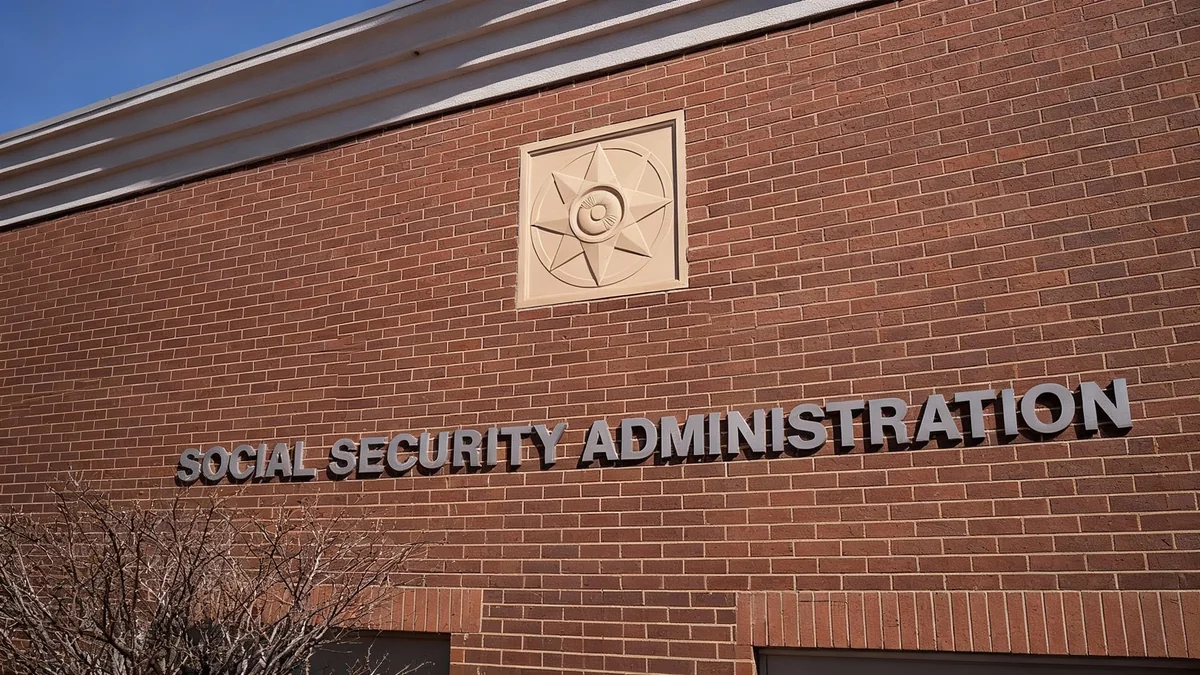
For many seniors, the timing of this premium hike will blunt the effect of their annual Social Security benefit increase. The Social Security Administration has announced a 2.8% cost-of-living adjustment (COLA) for 2026, intended to help benefits keep pace with inflation.
This COLA will boost the average Social Security payment by approximately $56, bringing the monthly total to around $2,071. However, the $17.90 increase in the Medicare premium will directly reduce that gain.
COLA Erosion by the Numbers
The National Committee to Preserve Social Security and Medicare (NCPSSM) estimates that the Part B premium hike will consume about one-third of the entire COLA increase. This effectively reduces the net COLA from 2.8% to just 1.9%, a figure well below the current inflation rate of 3%.
Max Richtman, president and CEO of the NCPSSM, expressed concern over the financial pressure this will place on retirees. "So many rely on [Social Security] for all or most of their income," Richtman stated. "This is gonna hurt." For individuals with lower monthly benefits, the impact could be even more severe, potentially negating the entire COLA.
The Rising Tide of Healthcare Costs
The increase in Medicare premiums is not happening in a vacuum. It reflects a wider trend of escalating healthcare expenses across the United States. According to a CMS spokesperson, the primary factor behind the 2026 adjustments is the projected growth in overall healthcare spending.
The spokesperson noted that the increase could have been larger if not for administrative actions taken to control costs, such as measures to curb fraudulent billing practices.
This trend affects nearly all Americans, not just those on Medicare. Recent data from KFF, a health policy research organization, shows that Americans spent an average of $1,514 on out-of-pocket health costs in 2023, a 9% increase from 2020 after adjusting for inflation.
Broader Insurance Market Feels the Squeeze
Other segments of the health insurance market are also bracing for higher costs in the coming years:
- Affordable Care Act (ACA): The roughly 22 million people insured through ACA marketplaces could see their costs more than double if Congress does not extend premium tax credits set to expire at the end of 2025.
- Employer-Sponsored Plans: Analysis from consulting firm Mercer suggests that workers with employer-provided health coverage will likely pay 6% to 7% more for their plans in 2026.
As these costs continue to climb, the financial stability of millions of Americans, particularly seniors on fixed incomes, remains a central focus for policymakers and advocacy groups. The 2026 Medicare premium increase serves as a clear indicator of the persistent financial challenges within the nation's healthcare system.