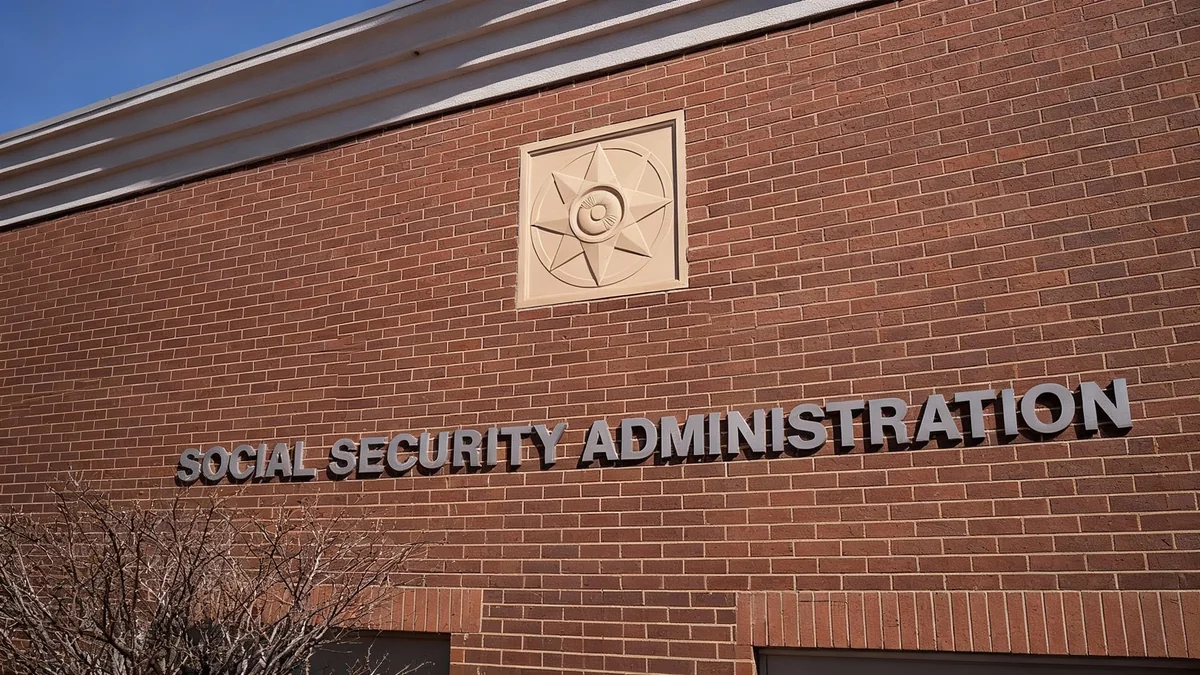

The Social Security Administration has confirmed a 2.8% cost-of-living adjustment (COLA) for 2026, which will increase payments for approximately 70 million beneficiaries. However, a significant majority of older Americans feel this increase is insufficient to cover their rising expenses, highlighting a growing disconnect between official inflation measures and the actual costs faced by retirees.
For an average retired worker receiving $2,008 per month, the adjustment translates to an extra $56, raising their monthly benefit to $2,064. Despite this boost, a recent AARP survey reveals that 77% of Americans aged 50 and over believe the COLA fails to keep pace with inflation, a sentiment that transcends political affiliations.
Key Takeaways
- The Social Security cost-of-living adjustment (COLA) for 2026 is set at 2.8%, increasing the average retiree's monthly check by about $56.
- A survey found that 77% of Americans over 50 believe this increase does not adequately cover their rising living costs.
- The formula used to calculate the COLA, the CPI-W, is based on the spending habits of urban workers, which may not reflect the primary expenses of retirees, such as healthcare.
- Financial experts recommend strategies like delaying benefits, diversifying income, and managing debt to bridge the potential income gap in retirement.
The Widening Gap Between COLA and Reality
The core issue for many retirees is the method used to calculate the annual adjustment. The Social Security Administration uses the Consumer Price Index for Urban Wage Earners and Clerical Workers (CPI-W) to determine the COLA. This index tracks the price changes for a basket of goods and services relevant to working-age individuals in urban areas.
However, the spending habits of retirees often differ significantly from those of the working population. Older Americans typically allocate a larger portion of their budget to healthcare and housing, two sectors that have experienced substantial price increases not always fully captured by the CPI-W.
What Retirees Really Need
According to the AARP survey, the gap between the official COLA and perceived needs is substantial. A striking 72% of respondents stated they would need an increase of 5% or more to manage their daily expenses, while 26% indicated that an 8% raise would be necessary just to keep up with their actual costs.
This discrepancy means that even small, consistent shortfalls can erode the purchasing power of Social Security benefits over the course of a long retirement. As everyday costs for essentials climb faster than their fixed income, many are forced to make difficult financial choices.
Understanding the Financial Strain
For millions who depend heavily on Social Security, the modest 2.8% increase for 2026 offers limited relief. The sentiment is that while any increase is welcome, it doesn't solve the underlying problem of expenses outpacing income.
"For retirees who rely heavily on Social Security, even a small gap between the COLA and real living costs can make a difference," stated Gina Seibert, Chief Financial Officer at PSECU. "Over time, those shortfalls can lead to dipping into savings sooner or cutting back on discretionary spending to manage essentials like housing, food, and medical expenses."
The cumulative effect of this gap is significant. A benefit that seems adequate at the start of retirement can feel restrictive a decade or two later if COLAs consistently lag behind personal inflation rates. This forces many to draw down their personal savings, such as 401(k)s or IRAs, more quickly than planned.
How Social Security Fits into Retirement
Financial advisors typically suggest that total retirement income should replace about 70% to 80% of a person's pre-retirement earnings to maintain their standard of living. Social Security is designed to replace only about 35% to 40% of the average worker's income, making other sources of funds essential for a comfortable retirement.
Strategies to Strengthen Your Financial Future
Given the limitations of the annual COLA, financial experts advise both current and future retirees to take proactive steps to secure their financial stability. Relying solely on Social Security is not a viable strategy for most people. Instead, a multi-faceted approach is recommended to build a resilient retirement plan.
1. Consider Delaying Your Benefits
One of the most powerful tools available to future retirees is the option to delay claiming Social Security benefits. While you can start receiving payments as early as age 62, your monthly benefit amount increases for every year you wait, up to age 70.
- For those born in 1960 or later, full retirement age is 67.
- Delaying from age 67 to 70 results in a benefit increase of about 8% per year.
- This means a person waiting until age 70 could receive a monthly check that is roughly 24% higher for the rest of their life.
A higher initial benefit also means that future COLAs will be calculated on a larger base amount, compounding the financial advantage over time.
2. Diversify Your Income Streams
Creating multiple sources of income is crucial for a secure retirement. Social Security should be viewed as one component of a broader financial portfolio, not the entire plan.
"Reviewing your budget regularly and prioritizing essential expenses is key to maintaining stability," Seibert advised. "Retirees can also look for ways to supplement income—whether through part-time work, investment earnings, or community resources designed to support older adults."
A well-rounded retirement portfolio may include:
- Withdrawals from a 401(k) or traditional IRA.
- Tax-free income from a Roth IRA.
- Pension payments.
- Earnings from taxable investment accounts.
- Annuities or other income-generating products.
3. Manage Debt and Reduce Fixed Costs
Entering retirement with minimal debt can significantly reduce financial pressure. High-interest debt, such as credit card balances, can quickly deplete fixed incomes. Paying down these obligations before you stop working is a critical step.
Furthermore, reducing major fixed expenses can free up cash flow. Since housing is often the largest expense for retirees, strategies like paying off a mortgage before retirement or downsizing to a smaller, less expensive home can provide substantial budgetary relief.
Many local communities also offer programs to help older adults manage costs, including property tax relief, utility assistance, and prescription drug programs. Exploring these resources can help stretch a fixed income further and ensure that the gap left by an insufficient COLA does not lead to financial hardship.