
The U.S. dollar experienced a notable decline in value against a basket of major currencies, driven by two significant factors. Comments from Federal Reserve officials suggesting a more cautious approach to future monetary policy, combined with escalating trade tensions between the United States and China, have created downward pressure on the currency.
This shift in market sentiment reflects investor concerns over the U.S. economic outlook. A less aggressive Federal Reserve could mean lower interest rates for a longer period, making the dollar less attractive for international investors seeking higher yields. Simultaneously, renewed friction in U.S.-China trade relations introduces uncertainty that often leads market participants to seek safer assets.
Key Takeaways
- The U.S. dollar has fallen due to dovish comments from the Federal Reserve, signaling a potential pause or pivot in monetary tightening.
- Heightened trade tensions between the U.S. and China are contributing to economic uncertainty and weighing on the dollar's value.
- Lower interest rate expectations reduce the appeal of the dollar for foreign investors, causing its value to decline against other major currencies.
- The currency's weakness has provided a boost to assets priced in dollars, such as gold and silver, making them more affordable for buyers using other currencies.
Federal Reserve's Cautious Stance Pressures Dollar
Recent communications from Federal Reserve policymakers have been a primary catalyst for the dollar's recent weakness. Officials have adopted a more "dovish" tone, which in central banking terms, indicates a preference for maintaining or lowering interest rates rather than aggressively raising them to combat inflation.
This stance suggests the central bank may be concerned about the potential for economic slowing. By signaling a less aggressive path for monetary policy, the Fed aims to avoid putting excessive brakes on economic growth. However, this has a direct impact on currency markets.
Impact of Interest Rate Expectations
International capital tends to flow toward countries offering higher returns on investment. When the Federal Reserve was raising interest rates, the U.S. became a more attractive destination for capital, which strengthened the dollar. Now, with expectations shifting, the yield advantage of holding dollar-denominated assets is diminishing.
Investors are now pricing in a lower probability of future rate hikes. According to market analysis, this recalibration has caused a sell-off in the dollar as traders adjust their positions to reflect a new economic reality where the U.S. may no longer offer superior returns compared to other developed economies.
What Does 'Dovish' Mean?
In economics, central bankers are often categorized as "hawks" or "doves." A hawk favors higher interest rates to keep inflation in check, even at the risk of slowing economic growth. A dove prioritizes economic growth and employment, favoring lower interest rates to stimulate the economy, even if it means tolerating slightly higher inflation.
Renewed U.S.-China Trade Friction Adds to Uncertainty
Adding to the pressure on the dollar are renewed concerns over the state of trade relations between the United States and China, the world's two largest economies. Reports of disagreements and the potential for new tariffs have unsettled global markets.
Trade disputes create significant economic uncertainty. They can disrupt global supply chains, increase costs for businesses, and dampen consumer confidence. For the U.S., prolonged trade friction with a major partner like China could negatively impact corporate earnings and overall economic growth.
This uncertainty makes the U.S. dollar a less appealing asset for investors who prioritize stability. During periods of geopolitical or trade-related stress, capital often flows to perceived safe-haven currencies like the Japanese yen or the Swiss franc, further contributing to the dollar's decline.
A Global Economic Relationship
The U.S.-China trade relationship is one of the most significant in the world. According to the Office of the U.S. Trade Representative, the total trade in goods between the two nations was over $650 billion in the most recent full year of data, highlighting the substantial economic activity at stake.
Market Reactions and Broader Implications
The dollar's slide has had a ripple effect across various financial markets. The U.S. Dollar Index (DXY), which measures the dollar's strength against a basket of six other major currencies, has fallen, reflecting broad-based weakness.
Gains in Commodities
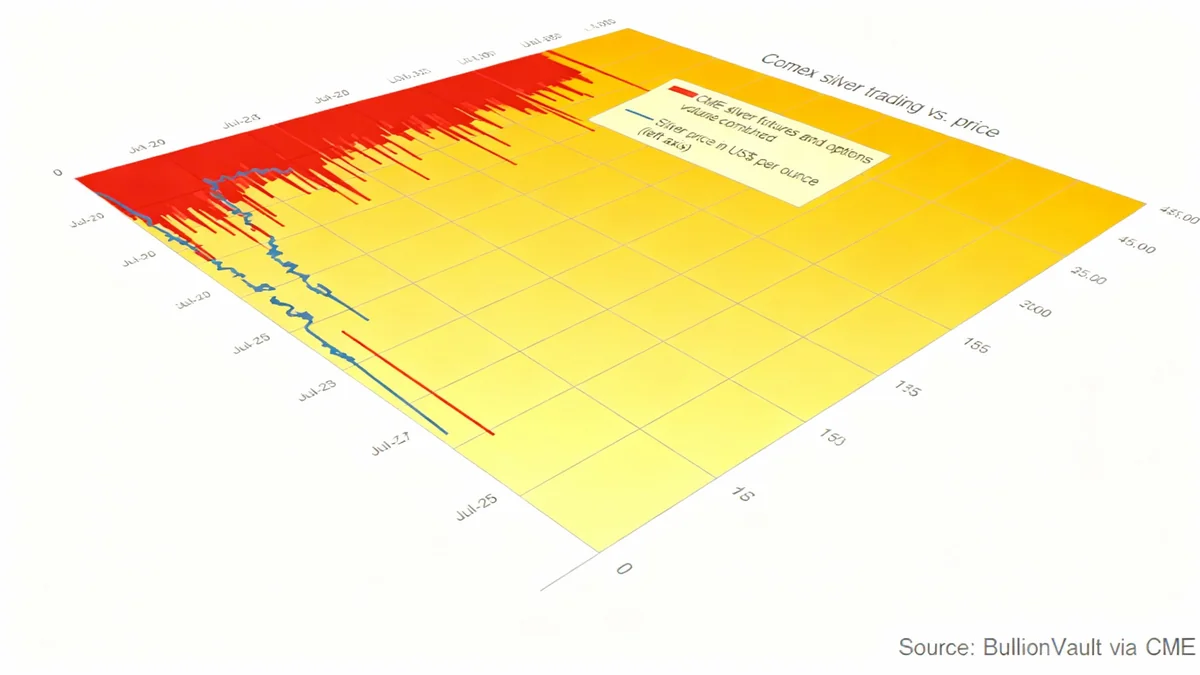
Commodities priced in U.S. dollars, such as gold and silver, have benefited from the currency's decline. A weaker dollar makes these assets cheaper for investors holding other currencies, which tends to increase demand and push prices higher.
- Gold: The precious metal, often seen as a hedge against economic uncertainty and a weaker dollar, saw its price rise.
- Silver: Following gold's lead, silver also posted gains as its industrial and investment appeal grew with the lower dollar valuation.
Outlook for the Dollar
The future trajectory of the U.S. dollar will likely depend on several key developments. Market participants will be closely watching upcoming economic data, particularly inflation and employment reports, for clues about the Federal Reserve's next move.
"The market is currently caught between the Fed's data-dependent approach and the unpredictable nature of geopolitical events. Until there is more clarity on both fronts, we can expect continued volatility in the currency markets," stated a senior market analyst.
Furthermore, any developments in U.S.-China trade negotiations will be a critical driver of sentiment. A resolution or de-escalation of tensions could provide support for the dollar, while a further deterioration would likely lead to additional weakness.