
Precious metals are experiencing a significant surge, with silver reaching record highs as investor confidence grows that the Federal Reserve will move to cut interest rates. This optimism is rippling across commodity markets, pushing gold prices higher while energy and cryptocurrency markets respond to their own distinct pressures.
Key Takeaways
- Silver prices have climbed to record levels, driven by speculation over impending Federal Reserve interest rate cuts.
- Gold is also seeing a strong rally, with bullish sentiment dominating as the appeal of non-yielding assets increases.
- Natural gas futures have risen sharply due to weather models forecasting a spike in consumer demand.
- Crude oil markets remain subdued as traders await critical supply decisions from the upcoming OPEC meeting.
- The cryptocurrency market is showing mixed signals, with assets like XRP facing downward pressure amid weakening institutional investment flows.
Precious Metals Shine on Fed Speculation
Investors are flocking to silver and gold, fueling a powerful rally based on expectations of a monetary policy shift from the U.S. Federal Reserve. The prospect of lower interest rates has historically benefited precious metals, which do not offer a yield. As the return on cash and bonds is expected to decrease, assets like gold and silver become more attractive stores of value.
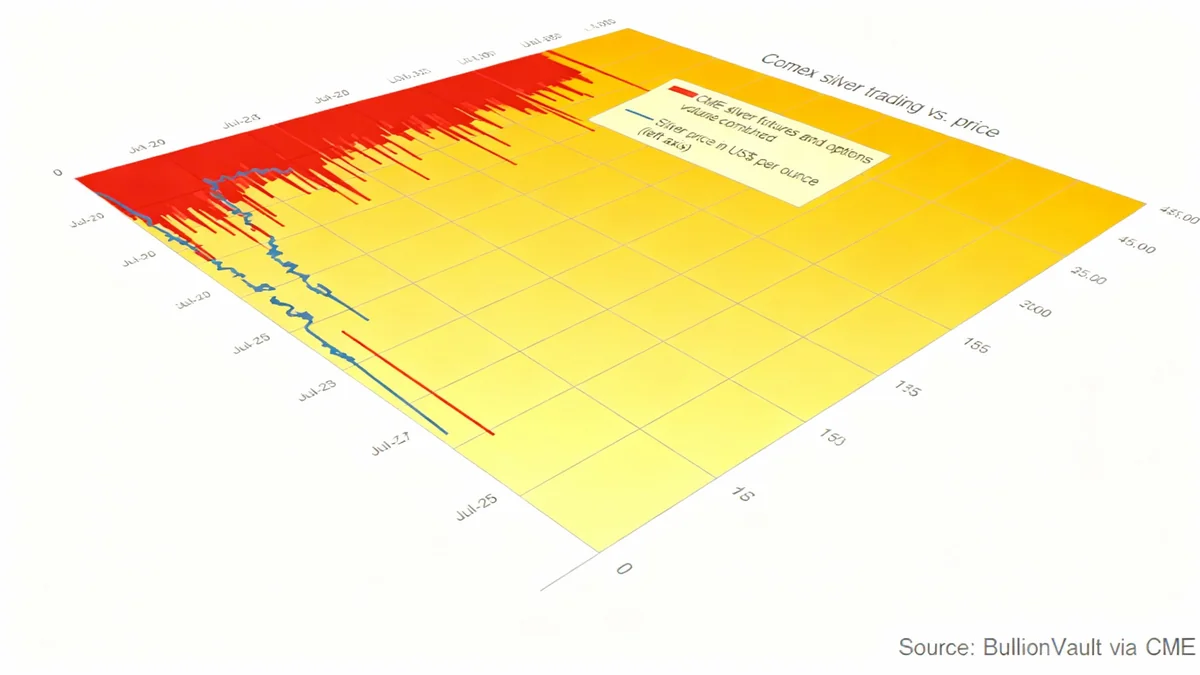
Silver, in particular, has seen a dramatic climb, breaking through previous records. The metal’s dual role as both a safe-haven asset and an industrial component has amplified its appeal. The bullish momentum suggests that traders are positioning themselves for a sustained period of looser monetary policy.
Market Snapshot
Gold (XAU/USD) saw a significant jump, rising over 1.26%, reflecting strong buying pressure. The sustained move upward indicates that investors are increasingly confident in the metal's performance amid economic uncertainty.
Gold has mirrored silver's upward trajectory, continuing its strong performance. The prevailing sentiment in the gold market is overwhelmingly positive, with analysts pointing to the potential for further gains if economic data continues to support the case for rate cuts. This has created a self-reinforcing cycle where positive price action attracts more buyers, further driving up the price.
Energy Markets Diverge on Fundamentals
While precious metals are reacting to macroeconomic sentiment, the energy sector is moving based on more traditional supply and demand fundamentals. Natural gas and crude oil are telling two different stories, highlighting the specific pressures within each market.
Natural Gas Surges on Demand Forecasts
Natural gas futures have experienced a notable spike, climbing more than 5% in recent trading sessions. This surge is directly linked to updated weather models that project an increase in demand. As forecasts shift to predict weather patterns that will require more energy for heating or cooling, traders are quickly buying up futures contracts in anticipation of higher consumption.
This movement underscores how sensitive the natural gas market is to short-term, fundamental drivers. Unlike gold, its value is less tied to long-term monetary policy and more to immediate consumption needs.
Oil Traders Await OPEC Decision
In contrast, the crude oil market is displaying a more cautious tone. After an initial rally, both Brent and WTI crude futures pulled back. Trading volumes have been thin, indicating that many market participants are on the sidelines ahead of the next OPEC meeting.
The Organization of the Petroleum Exporting Countries and its allies (OPEC+) will soon decide on production quotas, a decision that will have a direct impact on global supply. This uncertainty is causing traders to hold back on making large bets, leading to fading momentum and price consolidation. The outcome of this meeting is seen as the next major catalyst for oil prices.
Why Fed Policy Matters
The Federal Reserve's interest rate decisions have a profound impact on global markets. Lower rates can stimulate economic activity but also weaken the U.S. dollar, making commodities priced in dollars, like gold and oil, cheaper for foreign buyers. This typically increases demand and pushes prices higher. It also reduces the opportunity cost of holding non-yielding assets like precious metals.
Cryptocurrency Market Shows Signs of Strain
Away from commodities, parts of the digital asset market are facing headwinds. XRP, a prominent cryptocurrency, is showing bearish signals as sentiment weakens. Recent data suggests that flows into exchange-traded funds (ETFs) linked to digital assets have slowed, a sign of waning institutional interest.
This contrasts with the bullish mood in precious metals and highlights the unique risks and drivers within the cryptocurrency space. While broader market sentiment can play a role, factors like regulatory developments, network activity, and specific investor flows often have a more direct impact on individual digital assets.
The current environment shows a clear divergence in market behavior. While Fed optimism is lifting assets like gold and silver, other markets are trading on their own specific narratives, from weather patterns in natural gas to institutional flows in the crypto world. Investors are navigating a complex landscape where different asset classes are responding to very different catalysts.